


Rotating equipment plays a critical role in the overall operation of industrial plants. Equipment such as pumps, compressors, turbines, and other motors operate continuously at high speeds. As a result, vibration frequently occurs during operation.
If not properly controlled, vibration can reduce equipment performance. In addition, it can accelerate component wear, increase downtime, and lead to higher maintenance costs. In severe cases, vibration may also directly impact operational safety.
Identifying the root causes of vibration in rotating equipment helps businesses proactively maintain equipment and extend its service life. It also serves as an important foundation for implementing effective predictive maintenance strategies.
This article summarizes the common causes of vibration in rotating equipment and suitable corrective solutions.
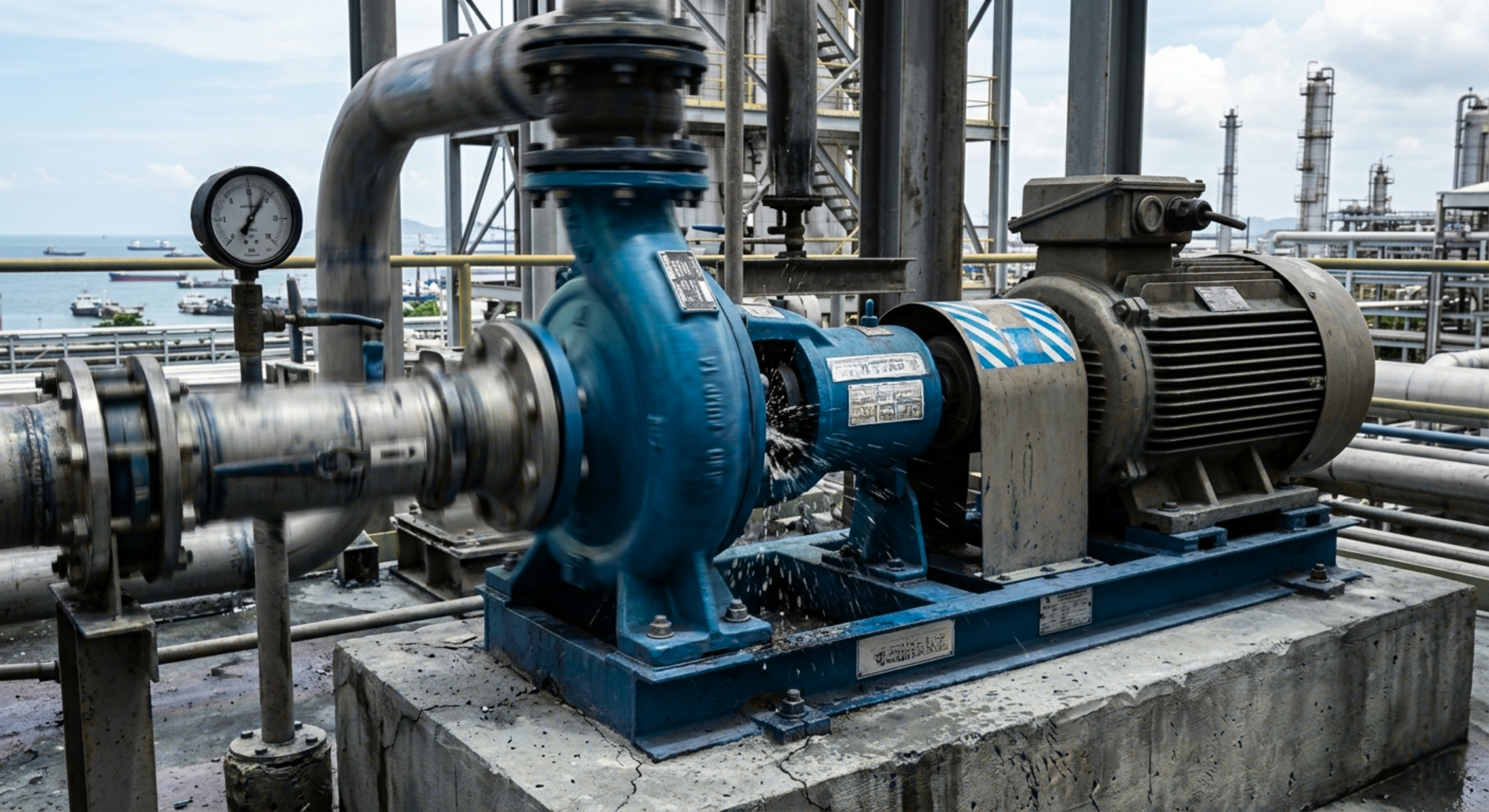
Figure 1. Vibrations can damage rotating equipment
Nội dung chính
What is vibration in rotating equipment?
Vibration in rotating equipment refers to the mechanical oscillation that occurs during the operation of rotating components such as shafts, rotors, and bearings. This is a common characteristic in continuously operating industrial machinery systems.
6+ Core causes of vibration in rotating equipment
Vibration can occur in most industrial rotating equipment. However, not all vibration is the same or caused by the same issue. Each vibration pattern often reflects a specific mechanical or operational problem within the equipment.
Below are the most common causes of vibration in rotating equipment today.
1. Dynamic unbalance
Dynamic unbalance is one of the most common causes of vibration in rotating equipment. Many studies indicate that unbalance accounts for the majority of industrial vibration cases.
This phenomenon occurs when the rotor’s center of mass is not aligned with the axis of rotation. Causes may include manufacturing defects, dirt accumulation, or rotor surface corrosion.
When a rotor becomes unbalanced, vibration amplitude typically increases with rotational speed.
2. Shaft misalignment
Misalignment occurs when two connected shafts are not aligned along the same centerline. This condition is commonly found in pumps and motors.
There are three common types of misalignment:
- Parallel misalignment
- Angular misalignment
- Combined misalignment
Shaft misalignment increases the load on bearings and couplings. If prolonged, it can cause overheating and significantly reduce the lifespan of rotating equipment.
3. Mechanical looseness
Mechanical looseness is often caused by loose foundation bolts or worn bearing supports. In addition, assembly inaccuracies can also lead to this condition.
When rotating equipment operates, loose components continuously collide and vibrate. This significantly increases vibration amplitude and creates abnormal noise.
4. Bearing defects
Bearings are highly susceptible to wear during operation. Surface cracks or pitting may develop after prolonged use.
When bearings are damaged, rotating equipment often generates high-frequency vibration. If not addressed early, the equipment may seize or shut down unexpectedly.
This type of fault is commonly detected through advanced vibration analysis.
5. Bent shaft
A bent shaft is often caused by uneven heat distribution or improper installation techniques. In some cases, it may also result from mechanical impact during transportation.
When the shaft is bent, rotating equipment tends to vibrate strongly in the axial direction. This condition reduces the stability of the entire system.
6. Resonance
Resonance occurs when the operating frequency matches the natural frequency of the system.
Even with a small excitation force, vibration amplitude can increase dramatically. This phenomenon is particularly dangerous for high-speed rotating equipment systems.
If not addressed promptly, resonance may lead to structural cracking or equipment failure.
How does vibration affect rotating equipment?
Prolonged vibration not only affects the stability of rotating equipment but also creates many consequences for operation and production. If not detected and resolved promptly, this condition can reduce equipment lifespan and increase the risk of serious failures.
- Component damage: Prolonged vibration accelerates material fatigue. Bearings, seals, and couplings are often the first components to fail.
- Reduced operating efficiency: Rotating equipment with excessive vibration typically consumes more electrical power than normal. In addition, operating temperatures increase significantly.
- Unexpected shutdowns: Many serious failures originate from abnormal vibration. This can interrupt production and cause substantial economic losses.
- Safety risks: In severe cases, vibration can cause shaft breakage or detached machine components. This presents significant hazards in industrial environments.
What can vibration analysis detect?
Vibration analysis is a condition monitoring method that evaluates machinery health through vibration signals generated during operation. It is widely used in predictive maintenance programs across industrial facilities.
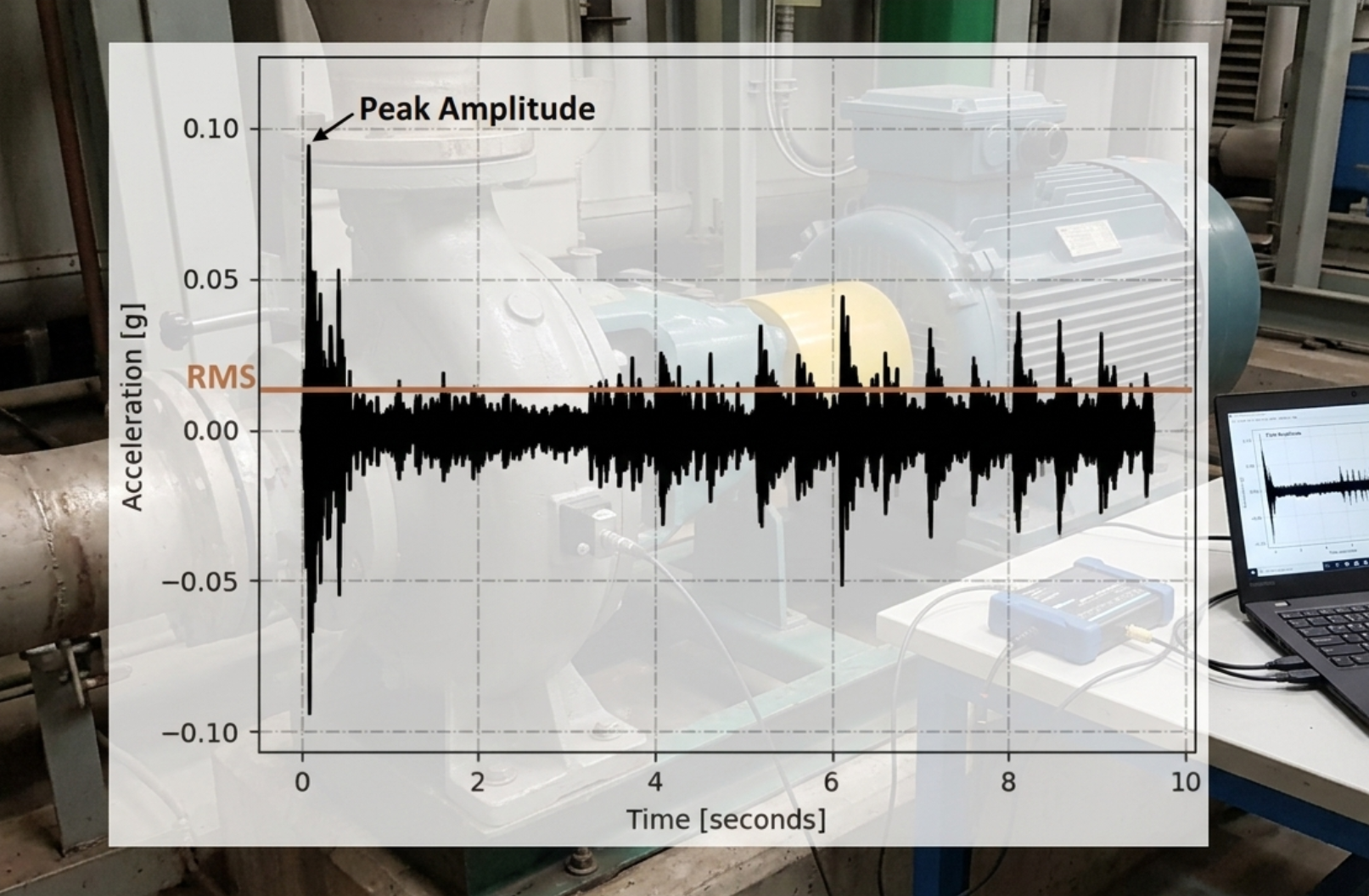
Figure 2. Vibration waveform over time recorded from the displacement of a pump.
The most common vibration parameters used in vibration analysis include displacement, velocity, acceleration. Among these, acceleration is the most widely used because it provides a broader frequency range and supports more accurate fault detection.
Through vibration analysis, engineers can identify many hidden problems in rotating equipment. By analyzing vibration data, engineers can assess equipment condition without dismantling the machine. This helps businesses reduce unplanned downtime and optimize maintenance costs.
Today, vibration analysis has become a key part of predictive maintenance strategies for rotating equipment.
Vibration analysis services at BTT Tech
BTT Tech provides professional vibration analysis services for various types of rotating equipment, including pumps, compressors, turbines, diesel engines, and industrial motors.
Our solutions help businesses monitor equipment condition, detect faults early, and improve operational efficiency.
BTT Tech’s services include:
- On-site vibration measurement
- Vibration analysis
- Rotating equipment fault diagnosis
- Machine condition monitoring
- Predictive maintenance consulting
Using real operating data, our technical team can identify the exact causes of vibration in rotating equipment and recommend the most suitable corrective actions.
Implementing predictive maintenance through vibration analysis offers several benefits:
- Reduced downtime and production interruption
- Optimized maintenance costs
- Extended equipment lifespan
- Fewer unexpected failures
- Improved system reliability and stability
Conclusion
Vibration in rotating equipment is an important indicator of machine operating condition. If not properly managed, vibration can reduce equipment efficiency, increase maintenance costs, and lead to serious operational failures.
Identifying the root causes of vibration and implementing regular vibration analysis allows businesses to improve maintenance planning and detect hidden faults at an early stage. This approach also helps reduce downtime and extend the lifespan of rotating equipment.
In modern industry, vibration analysis has become a critical part of predictive maintenance strategies. It enables companies to optimize operational performance and improve the reliability of their rotating equipment systems.
If your business is experiencing vibration issues, BTT Tech is ready to provide technical consultation, vibration analysis services, and customized maintenance solutions for your rotating equipment systems.


